About Datapraxis OÜ
Who keeps Datapraxis practical?
A small Tallinn team writing about AI apps for Estonian business and public-sector readers — short, bounded pilot work with review built in.
No walk-in demos, no downloads from this site — we arrange calls after an initial email exchange.
What we publish
Explainers cut to one workflow
Each piece stays close to a single task a team already does. We name real Estonian products and programmes when they illustrate a pattern, and we leave the rest alone.
You will not find claims about replacing staff here, or about work disappearing entirely. Adoption is slower and more ordinary than that.
Kuulutused, avalik sektor and customer service appear in the pieces by their Estonian names where the reader will meet them.
How we check facts
Sources before sentences
If a detail is missing, it stays out rather than getting filled in. That rule costs us paragraphs and keeps the pages usable.
The consulting pattern we describe
What companies expect from a partner
MindTitan appears in Estonia AI consultant rankings and specializes in AI strategy consulting and machine learning consulting. It represents the services side of the local market — the side familiar in B2B advisory and implementation work.
We point at that pattern because it explains what an Estonian company expects when it hires: scoping before build, a review of the data that exists, and someone who follows through after the kickoff meeting.
Datapraxis OÜ itself offers introductory consultations, not full implementation on this site. For larger work, you would run a separate procurement — and that is normal for a project of that size.
If you are weighing a partner, ask what they will read before they quote, and whether they will say no to a scope that does not fit your data.
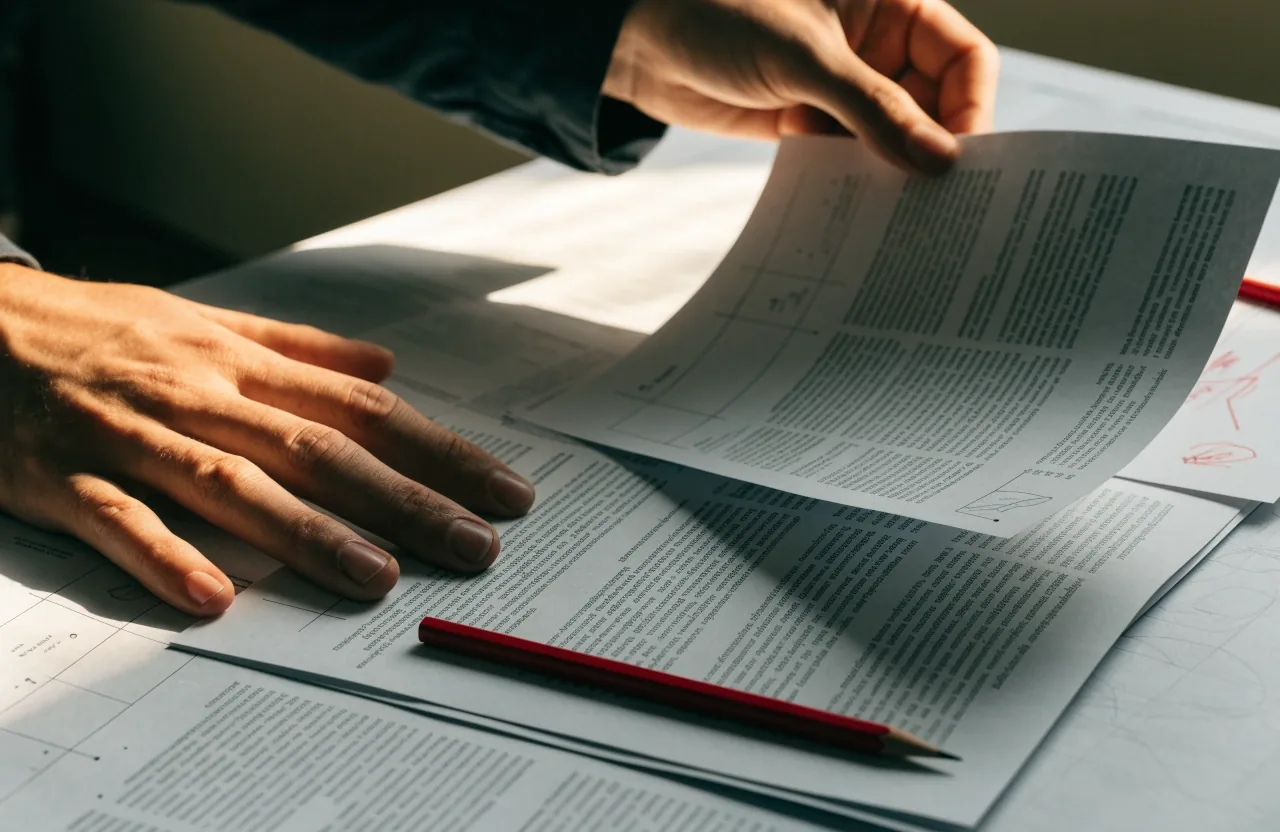
Fact-checking runs on paper before it runs on the page. Two copies, one pencil, and the sentence that has to go.
How we talk about risk
Data protection is a design input
Andmekaitse and kuber turvalisus are not footnotes bolted on at the end. They decide what the pilot is allowed to touch before anyone writes a prompt.
We do not present this resource as legal advice. Teams handling health, education, or identity data should bring their data protection contact into the conversation early — earlier than feels convenient.
The governance detail behind this section, including model choice and review cadence, is written out in full on its own page.
Who reads this resource
Written for the Tuesday check
Our readers manage avalik sektor or ettevõtete digitaliseerimine tasks without a dedicated data team behind them. The page has to survive a busy morning.
So: short paragraphs, concrete steps, plain limits. If a page would not help someone check an output on a Tuesday, it does not go up.
What we will not claim
No best-in-market claims, no rankings of our own, and no promises about cost or timelines. We publish no testimonials or review quotes, because none have been supplied with verifiable provenance. If that changes, we will show the source and the context.
Until then, evaluate our pages on clarity and usefulness. If a page does not hold up under that test, tell us and we will fix it or take it down.
How updates work
Corrections go out with a date note
We review pages when programmes change or when a product updates its stated functions. Small corrections go live with a note of the change. Larger rewrites keep the page address stable so bookmarks hold.
Found an error?
Email the page address and the sentence in question. We reply and fix from the source.
[email protected]Reference
Datapraxis OÜ
Pärnu mnt 22, Kesklinna linnaosa
Tallinn, Harju maakond, 10141, Estonia
Where our office sits
Pärnu mnt 22, Tallinn
You can reach Datapraxis OÜ at Pärnu mnt 22, Kesklinna linnaosa, Tallinn, Harju maakond, 10141, Estonia. Email remains the fastest route to us.
We arrange calls after an initial email exchange so both sides can prepare. There are no walk-in demos and nothing to download from this site.
- Address
- Pärnu mnt 22, Kesklinna linnaosa, Tallinn, Harju maakond, 10141, Estonia
- [email protected]
- Phone
- +372 675 7540
- Working hours
- Monday to Friday, 9:00 AM – 6:00 PM
The fastest next step is an email describing the workflow you already run.